Home of the trailblazing American Cultures (AC) graduation requirement, the American Cultures Center at UC Berkeley was not formed in isolation.
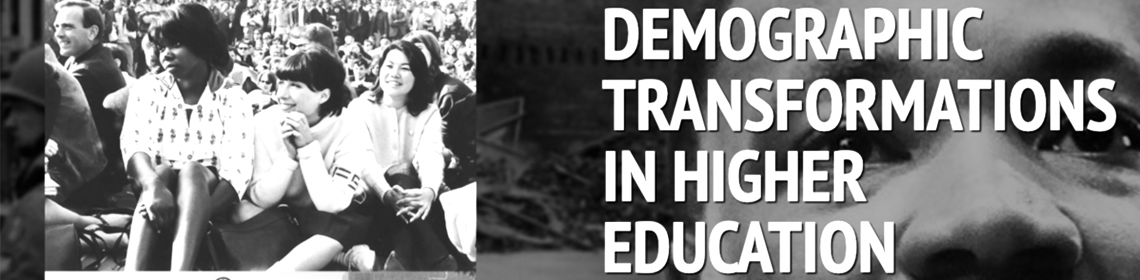
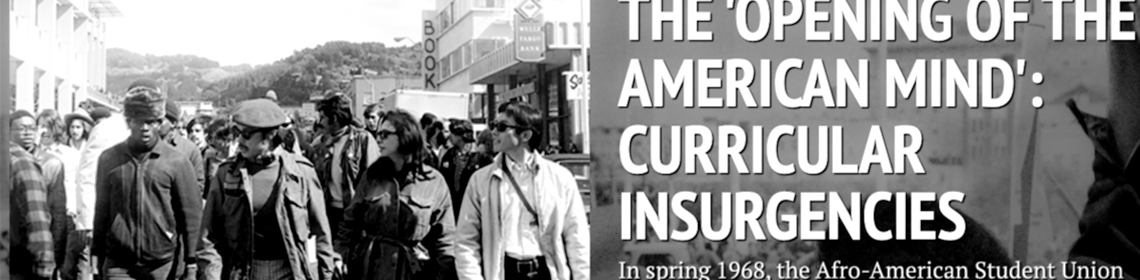
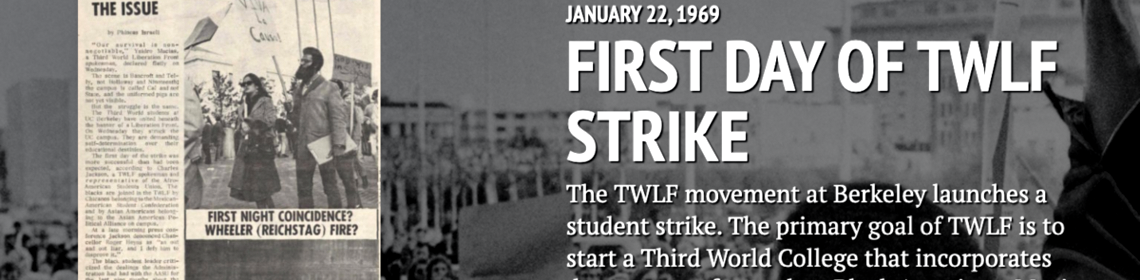
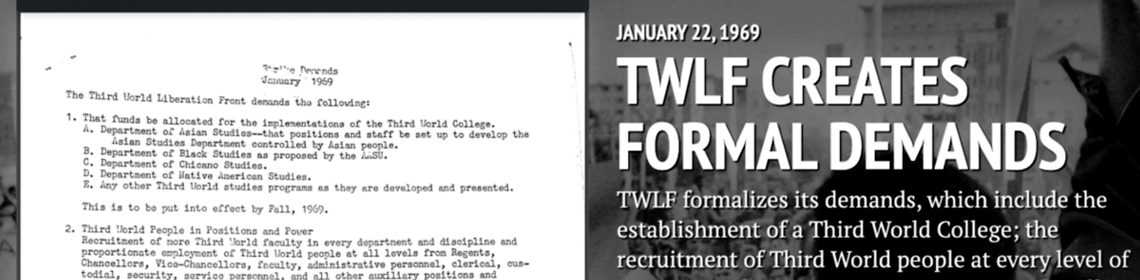
In the 1960s, civil rights legislation contributed to traditionally white institutions of higher education experiencing an influx of BIPOC students, and these students demanded a curriculum reflective of “a people's history” of resistance and social movements. Thus, in 1968, the Third World Liberation Front (TWLF) was born at UC Berkeley, drawing from the Black Student Union Movement across the country. A strong multi-racial coalition, TWLF's organizing was critical to the eventual creation of the UC Berkeley Department of Ethnic Studies, and many other student and community resources.
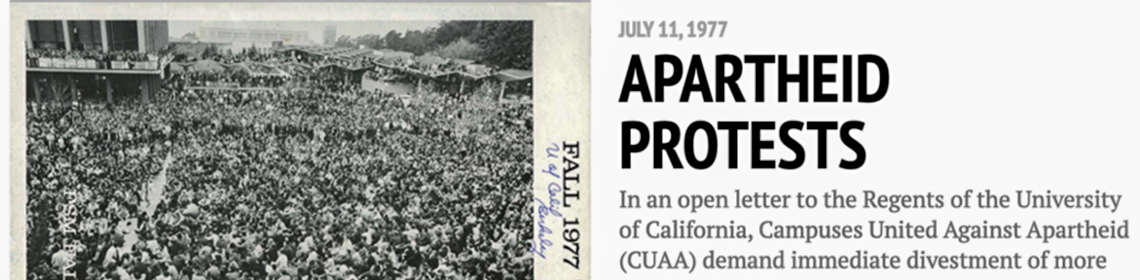
In 1986, the UC Board of Regents voted to divest from South African apartheid at the demands of student/community organizing in the Bay Area inspired by the decade of unrest and civil disobedience of Black schoolchildren in Soweto, South Africa. This political momentum and increasingly diverse student bodies, faculties, and curricula, built the foundations of the demand for American Cultures.
In 1989, that student-driven desire became a reality and the AC requirement became the first and only UC Berkeley-wide graduation requirement. In the decades since, the AC Center, initially built to support the AC requirement, has endevoured to bring racial and social justice to the forefront of higher education, steeped in community engagement, lived experience, and transformative change.